
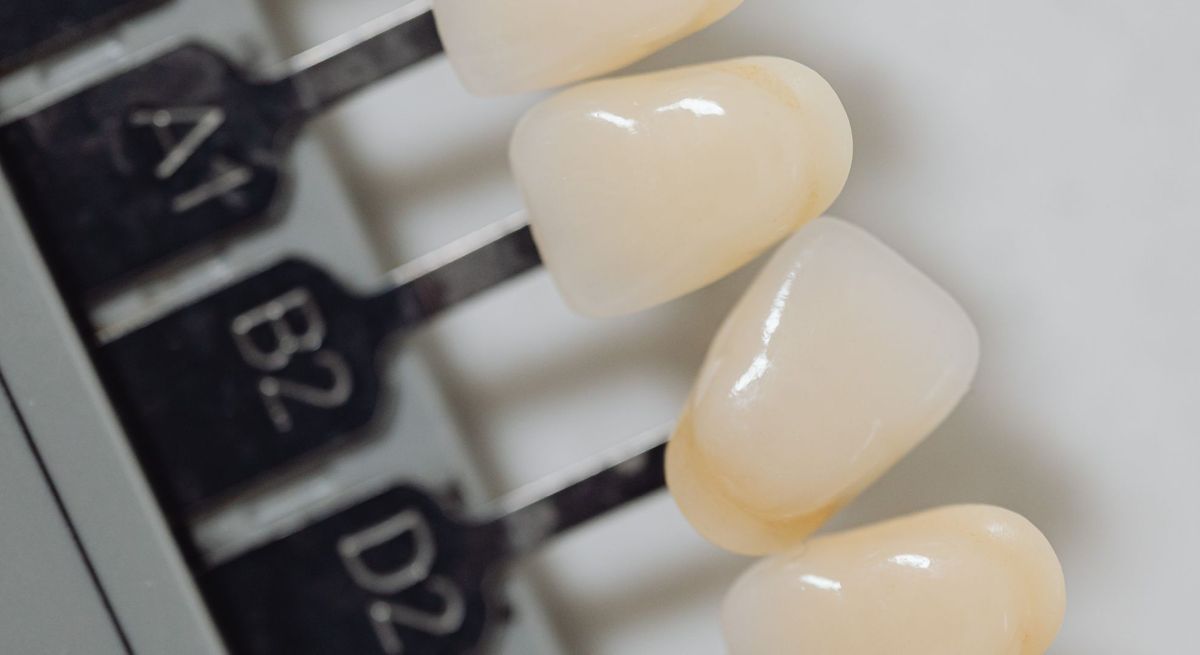
It's a common and often frustrating experience: you brush your teeth diligently every day, yet you notice your adult teeth starting to yellow. While daily oral hygiene is crucial, several factors contribute to tooth discoloration that go beyond the reach of your toothbrush and toothpaste. Understanding these underlying causes can help you maintain a brighter smile and inform your conversations with professionals at Dental Care Delray.
The Role of Enamel Thinning and Dentin Exposure
One of the primary reasons adult teeth appear yellow is the natural thinning of tooth enamel over time. Enamel, the hard, white outer layer of your teeth, is semi-translucent. Beneath this enamel lies dentin, a naturally yellowish tissue. As enamel wears down due due to factors like age, acidic foods and drinks, or even aggressive brushing, more of the yellow dentin becomes visible. This process is gradual and can make teeth appear progressively darker, even with excellent brushing habits. Regular dental cleaning can help maintain enamel health by removing plaque and tartar build-up that can contribute to wear.
Extrinsic Stains from Diet and Habits
Despite consistent brushing, your teeth are constantly exposed to foods and drinks that can cause surface stains. These extrinsic stains adhere to the enamel and are often deeply colored. Common culprits include coffee, tea, red wine, dark berries, and certain sauces. Tobacco use, whether smoking or chewing, is another significant contributor to stubborn extrinsic stains. While brushing helps remove some of these stain-causing particles, over time, they can permeate the enamel, making them harder to remove with just a toothbrush. A professional dental cleaning performed by a dentist can effectively remove these built-up surface stains.
Age, Genetics, and Intrinsic Discoloration
Beyond external factors, intrinsic discoloration originates from within the tooth itself. Age plays a significant role, as the dentin naturally yellows and expands over time, and the enamel continues to thin. Genetics also contribute; some individuals naturally have thinner enamel or a more yellow hue to their dentin, making their teeth appear less white from a young age. While these factors are not preventable with brushing, a dentist can discuss various cosmetic options if discoloration is a concern. For those looking to improve the overall aesthetic of their smile, solutions like Invisalign can also indirectly contribute to a brighter appearance by aligning teeth, which often complements whitening treatments.
Addressing Discoloration Beyond Brushing
The yellowing of adult teeth is a multi-faceted issue, stemming from natural bodily changes, dietary habits, and genetic predispositions, none of which can be fully controlled by brushing alone. While daily oral hygiene is fundamental, maintaining a bright smile often requires a deeper understanding of these factors and professional intervention. To explore personalized strategies for a whiter smile or to discuss any dental concerns, consider consulting with a dentist who can offer tailored advice and treatment options.